If you have lived with back pain for weeks, months, or even years, you know how much it can take from you. It affects how you sleep, how you work, how you play with your kids or grandkids, and how you feel about the future. Many sufferers tell us they have tried rest, over-the-counter medication, and a long list of internet remedies, only to find the pain returns. The good news is that our understanding of back pain has changed significantly, and so have the conservative, natural options available to you.
Here in Canonsburg, we meet people every week who are tired of simply "putting up with it." Whether you are a desk worker, a tradesperson, a parent, or one of the Washington greens golfers who love a weekend round but dread the twisting swing, there is reason to be optimistic. This article explains what is new in how we think about back pain, which natural approaches have research support, and what you can start doing today.
Why Back Pain Is So Stubborn, and What We Now Understand
Back pain is one of the most common reasons adults seek healthcare, and it is a leading cause of missed work across the United States. Yet for years, many sufferers were given a one-size-fits-all message: rest, take a pill, and wait. We now know that approach often falls short, especially for pain that lingers.
Pain is not always proportional to damage
One of the most important shifts in pain science is the recognition that the intensity of pain does not always match the amount of tissue damage. Imaging such as X-rays and MRIs can show disc bulges, arthritis, or degeneration in people who have no pain at all. That does not mean your pain is imaginary. It means pain is influenced by many factors, including joint mechanics, muscle tension, stress, sleep quality, and how sensitive the nervous system has become.
This is encouraging, because it means there are many levers we can pull to help you feel better. You are not simply a "bad back" waiting to get worse.
Staying active beats prolonged bed rest
A common misconception is that you should stay in bed until the pain goes away. Current guidelines generally recommend the opposite for most non-emergency back pain: gentle, gradual movement. Extended rest can lead to stiffness, weakness, and a longer recovery. Of course, "stay active" does not mean pushing through severe pain. It means finding the right type and amount of movement for your body, which is where professional guidance helps.
Common contributors we see in our community
People across Pennsylvania share many of the same back pain triggers, and Canonsburg residents are no exception. Some of the most common include:
- Long hours sitting at a desk or driving, including commutes along Washington Road
- Repetitive lifting or bending at work or around the house
- Weak core and hip muscles that leave the spine under extra strain
- Old injuries that were never fully rehabilitated
- Poor sleep positions or unsupportive mattresses
- Chronic stress, which can increase muscle tension and pain sensitivity
Identifying which of these apply to you is the first step toward a plan that works.
Natural, Conservative Options That Offer Real Hope
For many back pain sufferers, the most encouraging development is the growing support for conservative, non-drug, non-surgical care as a first step. Major clinical guidelines in recent years have recommended approaches such as spinal manipulation, exercise therapy, and self-management strategies before more invasive options for most cases of low back pain.
Chiropractic care
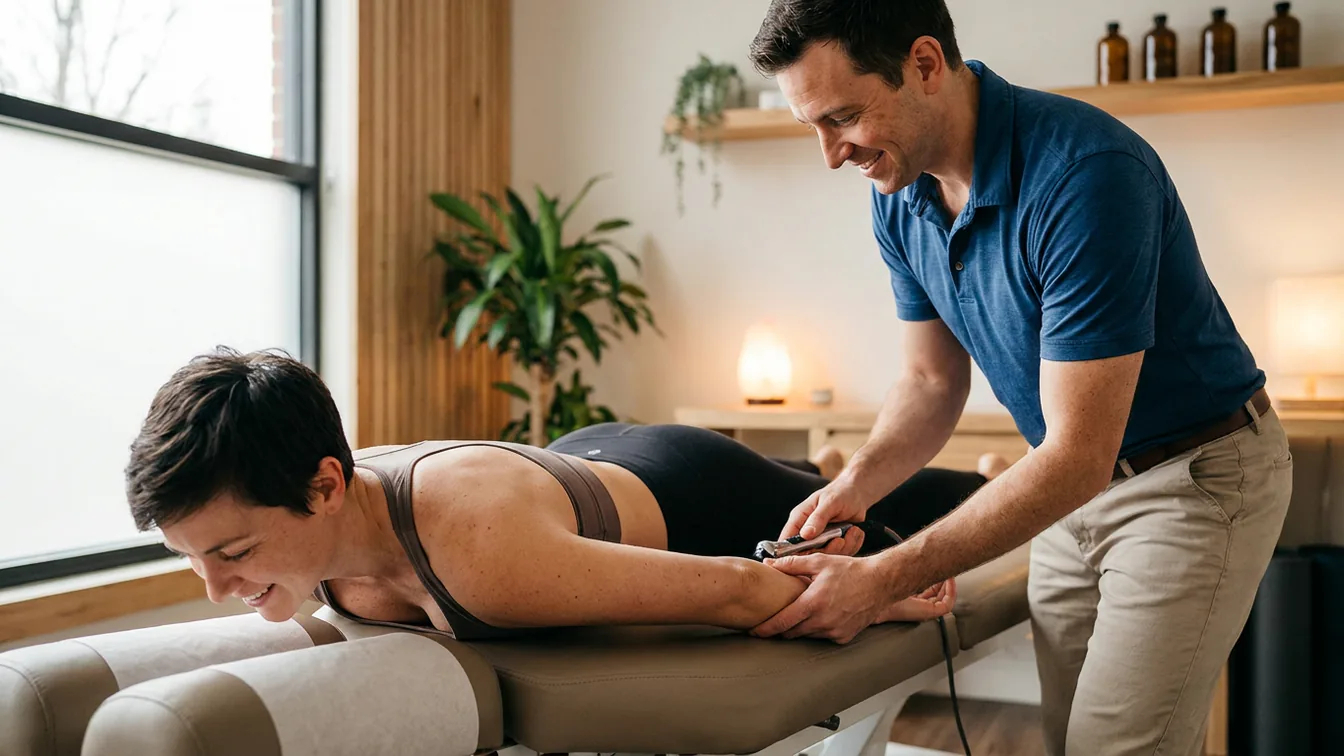
Chiropractic care focuses on how the spine, joints, and nervous system work together. A chiropractor uses a thorough history and physical exam to identify areas of restricted motion, muscle imbalance, or irritated joints that may be contributing to your pain. Treatment may include gentle spinal adjustments, mobilization, soft tissue techniques, and targeted exercises. Research suggests spinal manipulation can be an effective option for many people with acute and chronic low back pain, often with fewer risks than medication.
Chiropractic care is not a magic fix, and it is not right for every situation. A good chiropractor will tell you honestly whether your condition is likely to respond, and will refer you to another provider when something falls outside their scope.
Exercise and movement-based rehabilitation
Adjustments can help restore motion and reduce pain, but long-term relief usually depends on building a spine that can handle daily demands. That is why a quality care plan includes movement. Core stabilization, hip mobility, and gradual strengthening exercises help support the spine so pain is less likely to come back. Your plan should be tailored to you, because the exercises that help one person may aggravate another.
Soft tissue and complementary therapies
Tight, guarded muscles often accompany back pain. Hands-on soft tissue work, stretching, heat therapy, and in some cases other supportive therapies can ease muscle tension and help you move more comfortably. These approaches work best as part of a broader plan rather than as a stand-alone solution.
Addressing the whole person
Holistic care recognizes that back pain is rarely just about the back. Sleep, stress, hydration, nutrition, and activity levels all influence how your body heals. A practitioner who asks about your lifestyle, not just your symptoms, is more likely to uncover the pieces that have been keeping you stuck.
Practical Steps You Can Start Today
Professional care is valuable, but what you do between visits matters just as much. Here are simple, practical strategies that many sufferers find helpful.
1. Break up long periods of sitting
Set a timer to stand, walk, or stretch every 30 to 45 minutes. Even a one-minute break can reduce stiffness. If you drive often, adjust your seat so your knees are level with or slightly below your hips and your lower back is supported.
2. Try gentle daily movement
Walking is one of the simplest and most effective activities for back pain. Start with 10 to 15 minutes and build gradually. Whether you stroll a neighborhood in Claysville, walk a track in Washington, or simply do laps around your home, consistency matters more than intensity.
3. Learn a few foundational exercises
Movements such as pelvic tilts, cat-camel stretches, bird-dog holds, and glute bridges are commonly used to improve spinal control and strength. Because every back is different, have a professional check your form and confirm these are appropriate for you before making them a routine.
4. Use heat or cold wisely
Cold packs may help calm a fresh flare-up during the first day or two, while heat often feels better for stiff, achy muscles. Use either for about 15 to 20 minutes at a time, with a cloth barrier between the pack and your skin.
5. Lift and bend smartly
Bend at the hips and knees, keep the load close to your body, and avoid twisting while lifting. This applies to carrying groceries and moving laundry baskets just as much as to heavy work tasks.
6. Protect your swing and your sport
Washington greens golfers, for example, often develop back pain because the golf swing places repeated rotational stress on the spine. Warming up with hip and thoracic spine mobility drills before a round, and building rotational strength in the off-season, can make a real difference. The same principle applies to gardening, bowling, or any hobby you love.
7. Prioritize sleep and stress management
Poor sleep and high stress can heighten pain sensitivity. Try a consistent bedtime, a supportive pillow that keeps your neck aligned, and a pillow between your knees if you sleep on your side. Deep breathing, short walks, and brief mindfulness practices can help calm an overactive nervous system.
8. Be patient, but stay engaged
Most people do not recover overnight. Progress often comes in steps, with good days and flare-ups along the way. Tracking your symptoms and activities can help you and your provider see what is working.
When to Seek Professional Help
Many episodes of back pain improve within a few weeks, but you should not wait indefinitely if your pain is not getting better. Consider scheduling an evaluation if:
- Your pain has lasted more than two to three weeks
- It keeps returning or is steadily worsening
- It limits your work, sleep, or the activities you enjoy
- You feel pain, numbness, or tingling that travels into your buttock or leg
Some symptoms need urgent medical attention rather than a chiropractic visit. Seek emergency care right away if your back pain follows a serious fall or accident, or if it comes with fever, unexplained weight loss, loss of bladder or bowel control, numbness in the groin or inner thighs, or progressive leg weakness. In an emergency, go to the nearest emergency department, such as Washington County Hospital, or call 911.
What to expect at your first visit
A good first visit should feel unhurried. Expect a detailed conversation about your history and goals, a physical and orthopedic exam, and a clear explanation of what is likely causing your pain. If appropriate, your chiropractor may recommend imaging or coordinate with your primary care provider. You should leave with an understanding of your options, a realistic timeline, and a plan you feel comfortable with.
Take the First Step Toward Relief
Back pain can feel isolating, but you do not have to face it alone, and you do not have to accept constant discomfort as your new normal. Today's conservative approaches give sufferers more reason for hope than ever before, from hands-on chiropractic care to targeted exercise and practical lifestyle changes.
At Burgman Chiropractic Clinic P.C., our Canonsburg team is committed to helping neighbors across Washington County find natural, personalized relief and get back to the activities they love. If you are ready to talk about your back pain, we invite you to schedule a visit. You can find us at 4050 Washington Road, Suite 5C, Canonsburg, PA 15317.
This article is for educational purposes only and is not a substitute for personalized medical advice, diagnosis, or treatment. Please consult a qualified healthcare provider about your specific condition.