Tendon pain has a way of interrupting everything. Reaching for a coffee mug, climbing stairs, typing an email, or swinging a golf club can suddenly feel like a chore when a tendon is irritated. If you are dealing with that nagging, achy, and sometimes sharp discomfort, you are far from alone. Many adults here in Canonsburg ask us about natural approaches to managing tendonitis that go beyond simply resting and hoping it goes away. The good news is that there are many gentle, practical strategies that support your body's own healing process. In this guide, we explain what tendonitis really is, clear up some common myths, and share steps you can start using today.
Understanding Tendonitis and Common Misconceptions
Tendons are strong, rope-like tissues that connect muscle to bone. They transmit force every time you move, which means they handle a lot of daily stress. Tendonitis refers to irritation and inflammation of a tendon, and it most often shows up in the shoulder, elbow (tennis or golfer's elbow), wrist, hip, knee, and Achilles tendon at the back of the ankle.
It usually develops from repetitive motion, sudden increases in activity, poor movement mechanics, or workstations that keep your body in awkward positions. Age also plays a role, since tendons lose some elasticity over time. Whether you work at a desk in Venetia, spend long days on your feet, or put in hours of yard work and hauling, your tendons can become overloaded.
Several misconceptions can slow recovery:
- "I should rest completely until the pain is gone." Short-term rest from aggravating activities is helpful, but total immobilization can weaken the tendon and make it less tolerant of load. Tendons generally heal best with gradual, controlled movement.
- "Tendonitis is only inflammation, so anti-inflammatories will fix it." Many long-standing tendon problems involve changes in the tendon's structure, sometimes called tendinopathy, rather than inflammation alone. That is why a long-term plan that rebuilds tendon strength matters more than masking symptoms.
- "If it hurts, I must be causing more damage." Mild, temporary discomfort during rehabilitation exercises is often acceptable, while sharp or worsening pain is a signal to back off. A professional can help you tell the difference.
- "It will go away on its own." Mild cases often do improve, but ignoring the underlying cause allows the problem to return or become chronic.
Natural Approaches to Managing Tendonitis at Home
The most effective plans combine activity modification, targeted movement, supportive nutrition, and healthy daily habits. Here are practical steps you can begin right away.
Modify, Don't Eliminate, Your Activity
Identify the movements that spark your pain and reduce them for a while. If gripping and lifting aggravate your elbow, scale back the weight or frequency rather than stopping everything. If you are a runner with a sore Achilles, shorten your distance or switch to swimming or cycling for a few weeks. The goal is to keep the tendon gently loaded without provoking a flare-up.
Use Cold and Heat Wisely
Ice can help calm sharp, irritated tendons, especially after activity. Apply a wrapped ice pack for 10 to 15 minutes at a time. Once the initial irritation settles, many people find gentle heat helpful before activity because it relaxes surrounding muscles and promotes comfortable movement. Pay attention to how your body responds and use whichever feels better.
Add Gentle Strengthening and Stretching
Research consistently supports progressive loading exercises for tendon problems. Eccentric exercises, where the muscle lengthens under tension, and slow, heavy resistance work help the tendon rebuild its capacity. Examples include slow heel drops for the Achilles or slow wrist extensions with a light weight for tennis elbow. Start light, move slowly, and increase gradually over several weeks. Gentle stretching of the surrounding muscles can also reduce strain, but avoid aggressively stretching an angry tendon.
Support Healing With Nutrition
While no food will cure tendonitis, your diet can influence how your body manages inflammation and repairs tissue. Consider these habits:
- Eat plenty of colorful fruits and vegetables for antioxidants.
- Include omega-3 sources such as salmon, walnuts, flaxseed, and chia seeds.
- Get enough protein to supply the building blocks for tissue repair.
- Eat foods rich in vitamin C, such as citrus, peppers, and berries, which the body uses to make collagen.
- Stay well hydrated, since tendons and connective tissues rely on good fluid balance.
- Limit highly processed foods and excess sugar, which can promote systemic inflammation.
Pennsylvania farm communities have long understood the value of fresh, seasonal produce, and local farm stands around Canonsburg and South Fayette are a great place to stock up on nutrient-dense foods. Talk with your healthcare provider before starting supplements, especially if you take medications.
Improve Your Ergonomics and Movement Habits
Small changes add up. Adjust your desk so your elbows rest at about 90 degrees and your wrists stay neutral. Take a short movement break every 30 to 45 minutes. Use tools with larger, cushioned grips, and lift with your legs rather than relying on your shoulders and arms. Supportive, properly fitted footwear can make a major difference for tendons in the foot, ankle, and knee.
Prioritize Sleep and Stress Management
Tissue repair happens largely during sleep, so aim for seven to nine hours each night. Chronic stress can increase muscle tension and slow recovery, so consider relaxation practices such as deep breathing, meditation, or a peaceful walk. Even a gentle stroll on a nature trail, like the shoreline paths at Presque Isle State Park, can lift your mood while keeping your body moving comfortably.
How Chiropractic Care Can Support Tendon Healing
Tendon pain rarely exists in isolation. A stiff joint, a restricted spine, or poor biomechanics elsewhere in the body can force a tendon to work harder than it should. For example, limited mobility in the neck and upper back can contribute to shoulder and elbow overload, and pelvic or foot imbalances can affect the knee and Achilles.
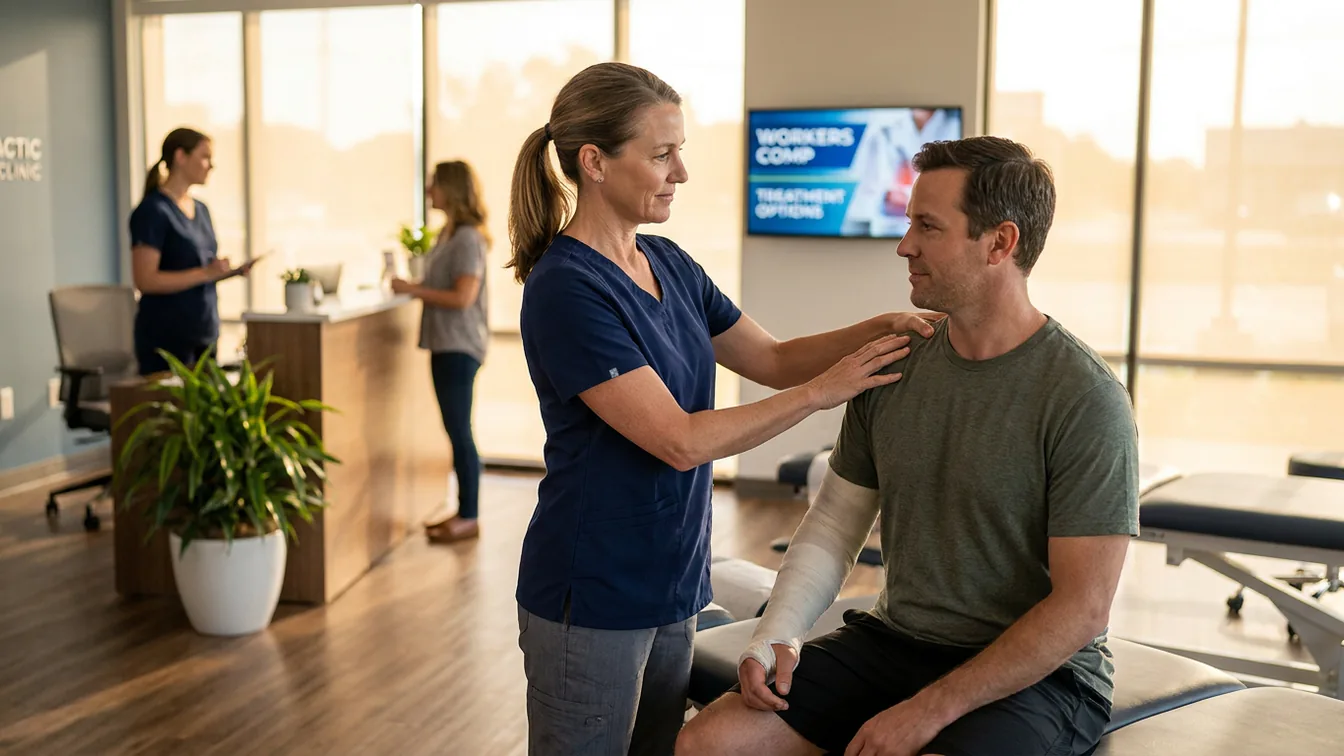
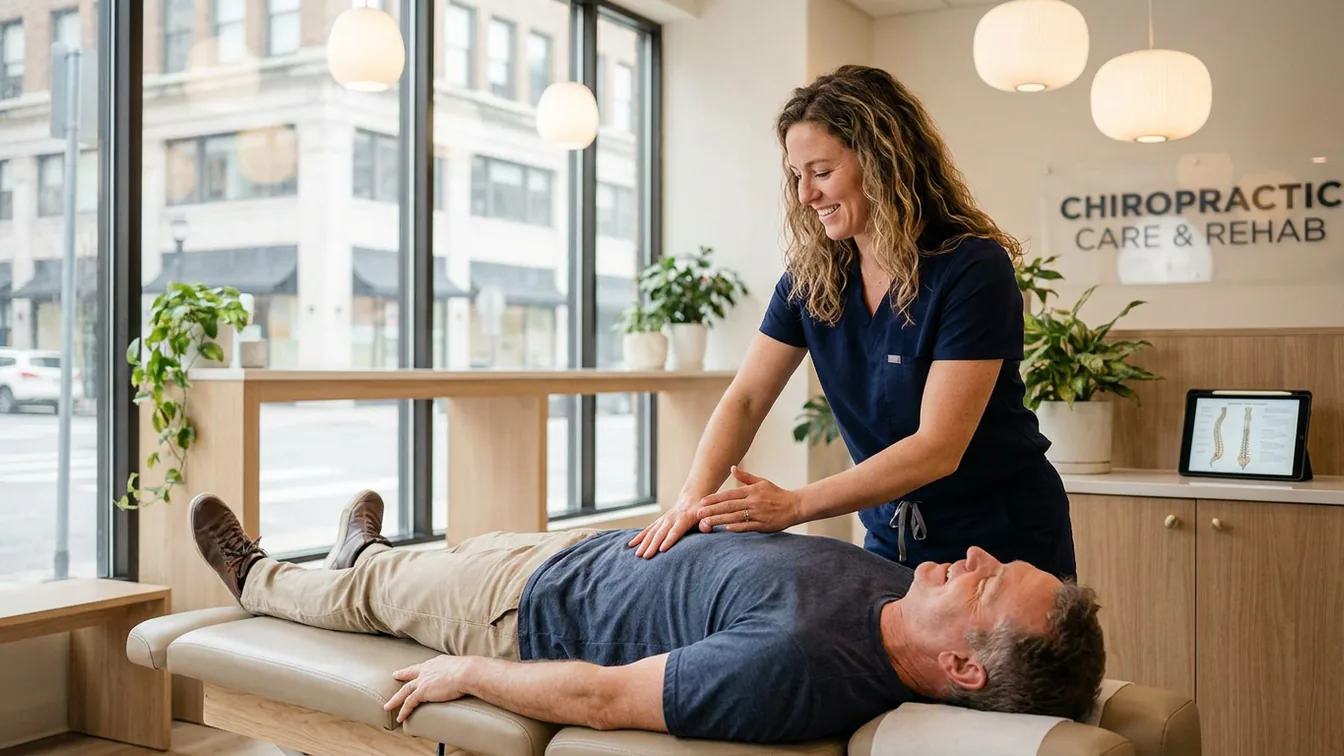
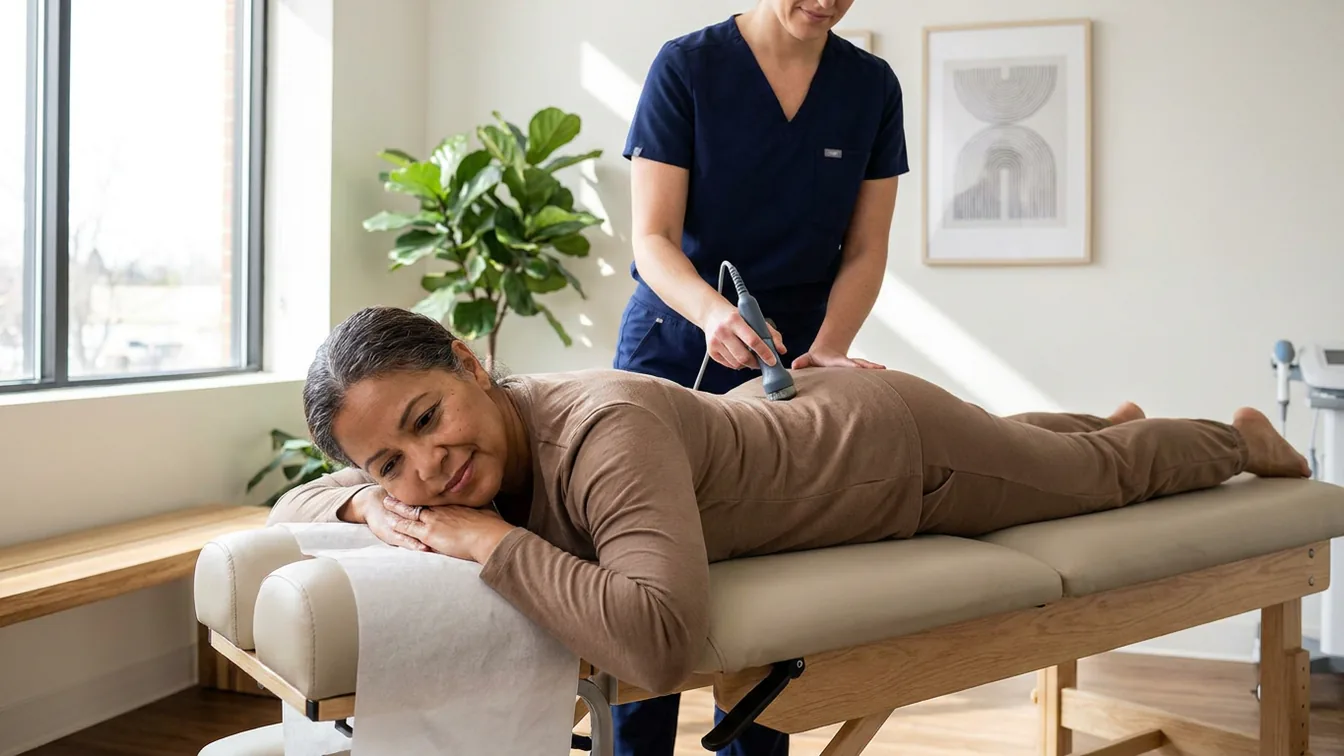
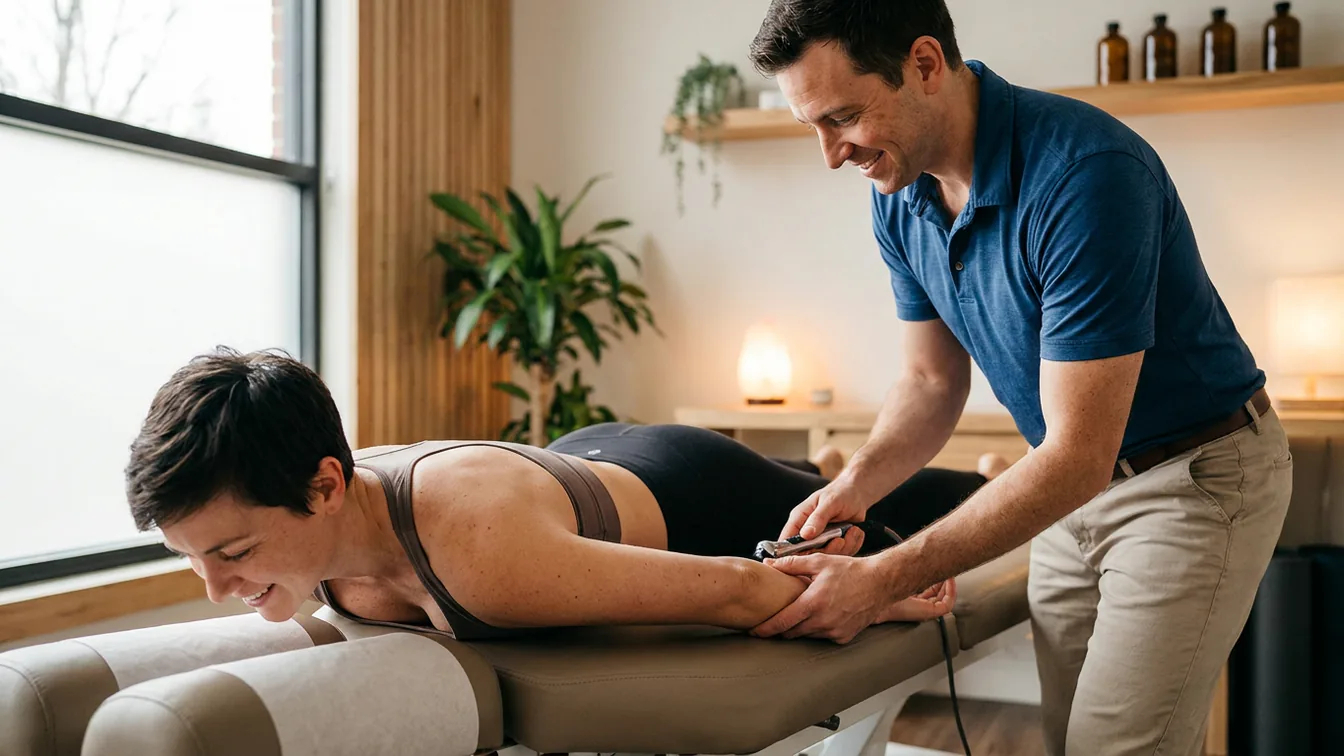
A chiropractor takes a whole-body view to find these contributing factors. Care may include:
- A thorough assessment of posture, joint motion, muscle balance, and movement patterns to identify why the tendon is overloaded.
- Gentle joint adjustments or mobilization to restore healthy motion in areas that are stiff or restricted.
- Soft tissue techniques to ease muscle tension and improve circulation around the irritated area.
- Customized rehabilitation exercises that progress safely as your tendon becomes stronger.
- Ergonomic and lifestyle guidance tailored to your job, hobbies, and daily routine.
The aim is not just short-term relief but addressing the root causes so the problem is less likely to return. At Burgman Chiropractic Clinic P.C., we focus on drug-free, conservative strategies that respect your body's natural ability to heal, and we work with you to build a plan that fits your life.
When to Seek Professional Care
Mild tendon irritation may respond well to a week or two of home care, but do not wait too long if things are not improving. Consider scheduling an evaluation if:
- Pain lasts longer than one to two weeks despite modifying your activity.
- Discomfort interferes with sleep, work, or daily tasks.
- You notice swelling, warmth, or stiffness that is getting worse.
- The pain keeps returning every time you resume your usual activities.
Seek urgent medical attention if you hear or feel a sudden pop followed by severe pain, cannot move the joint, notice significant bruising or a visible deformity, or develop fever along with a red, hot, swollen joint. These can signal a tendon rupture or infection that needs immediate care.
Early attention often shortens recovery time. Tendons heal slowly because they have limited blood supply, so patience and consistency are essential. Canonsburg residents do not have to push through the pain alone, and a clear plan can bring real peace of mind.
If tendonitis is holding you back, we would be glad to help. Our Canonsburg clinic offers personalized, natural care designed to relieve pain, restore movement, and help you return to the activities you enjoy. Contact Burgman Chiropractic Clinic P.C. to schedule a visit at 4050 Washington Road, Suite 5C, Canonsburg, PA 15317. Whether you come from Venetia, South Fayette, or elsewhere in the area, your first step toward lasting relief can start today.