If you've searched for "Can auto injuries help with spinal stenosis?", you're probably dealing with a confusing mix of pain, stiffness, and uncertainty after a car accident. Let's clear up the question first: auto injuries do not help spinal stenosis. A collision can aggravate an existing narrowing of the spinal canal, or bring on symptoms that were never noticeable before. The encouraging news is that appropriate, gentle care after a crash may help you manage those symptoms and move more comfortably. Many Canonsburg residents ask us about this connection, so here is what you should know.
How Auto Injuries and Spinal Stenosis Are Connected
Spinal stenosis is a narrowing of the spaces inside the spine. That narrowing can put pressure on the spinal cord or the nerves that branch off it. It most often develops in the lower back (lumbar stenosis) or the neck (cervical stenosis). Common causes include age-related wear, bulging discs, thickened ligaments, and bone spurs. Many adults over 50 have some degree of stenosis and never feel a thing.
That last point matters after a car accident. Imaging often shows degenerative changes that were there long before the collision. A crash can turn a "silent" condition into a painful one.
Why a crash can make stenosis symptomatic
Even a low-speed collision can move your body with surprising force. The head and neck whip back and forth, and the lower back absorbs a sudden compressive load. Several things can follow:
- Inflammation and swelling. Injured ligaments, muscles, and joints swell, which takes up room in an already tight spinal canal.
- Disc injury. A disc that was mildly bulging can herniate or bulge further, adding pressure on nerves.
- Joint irritation. The small facet joints in the spine can become inflamed and enlarge, narrowing the openings where nerves exit.
- Muscle guarding. Your body tightens muscles to protect the injured area, which can compress sensitive tissue and limit motion.
Because of this, symptoms may not appear right away. Many people feel "a little sore" for a few days, then notice worsening pain, numbness, or tingling a week or two later.
Common signs to watch for
Symptoms of stenosis after an auto injury can include:
- Pain, cramping, or heaviness in the legs when standing or walking
- Relief when sitting or leaning forward, such as over a shopping cart
- Numbness or tingling in the arms, hands, legs, or feet
- Neck or low back pain that radiates
- Weakness or clumsiness in a limb
- Balance problems
If you notice any of these after an accident, get a professional evaluation rather than waiting to see if they fade.
How Chiropractic Care May Help After a Crash
Chiropractic care cannot reverse the structural changes behind stenosis, and it's important to be honest about that. What it can do is address the movement, muscle, and joint problems that often make symptoms worse. For many people, easing those factors brings meaningful relief.
Start with a thorough evaluation
A good chiropractor begins with your history, your accident details, and a hands-on exam. This includes checking your range of motion, posture, reflexes, strength, and nerve function. When needed, your chiropractor may recommend imaging such as X-rays or MRI, or coordinate with a medical provider. This step is especially important if you have a history of stenosis, because the right plan depends on what is actually going on in your spine.
At Burgman Chiropractic Clinic P.C., we believe a precise assessment should come before any treatment. Auto injuries often involve several layers of damage, and a one-size-fits-all approach rarely works.
Gentle, targeted techniques
With stenosis, less force is often better. Depending on your exam findings, care may include:
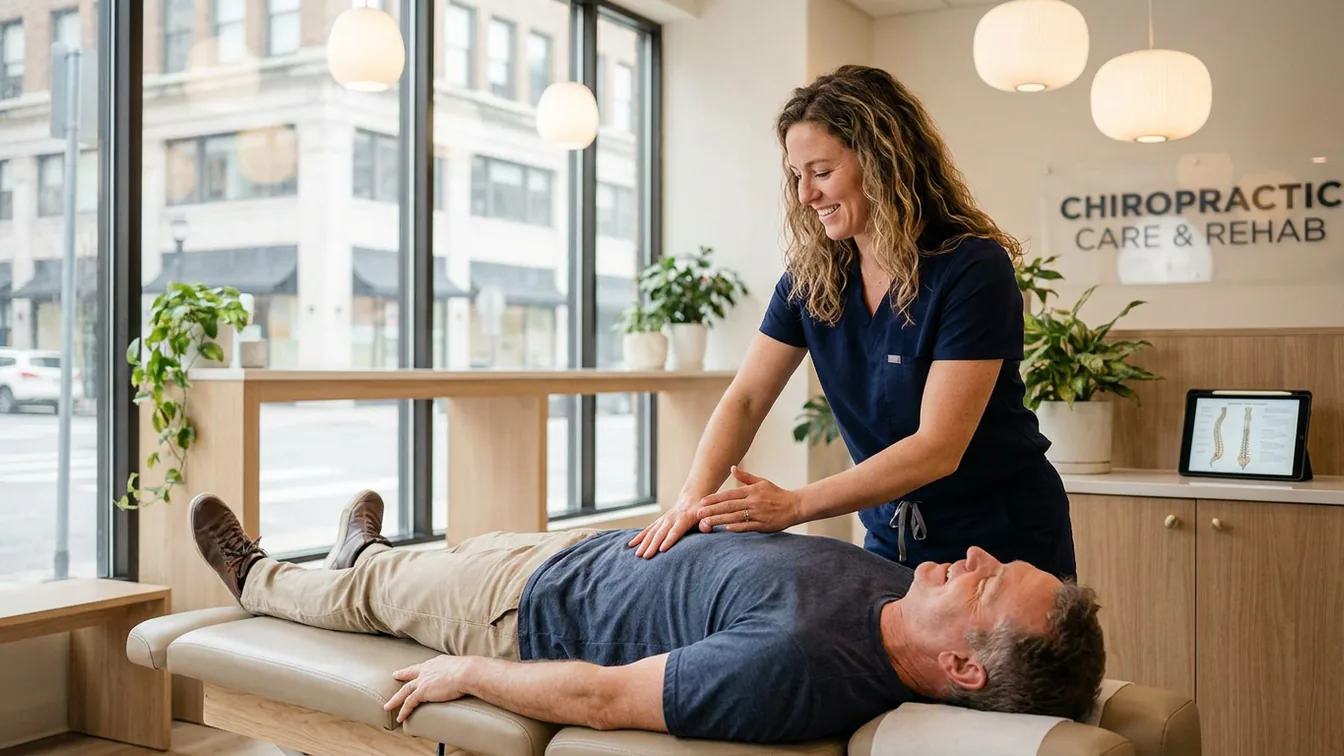
- Low-force spinal adjustments or mobilization. These techniques can improve joint motion without aggressive twisting or manipulation.
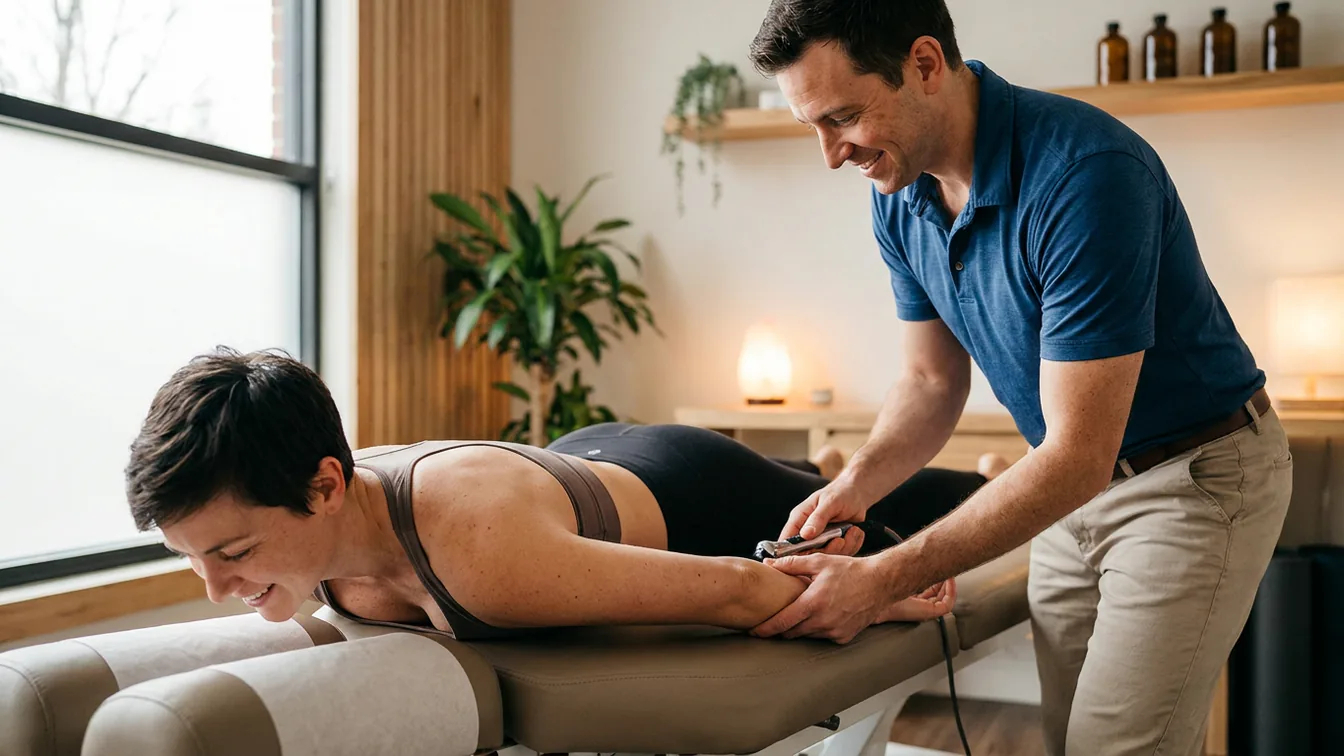
- Flexion-distraction therapy. This gentle, table-assisted technique stretches and decompresses the spine and is often used for disc and stenosis-related complaints.
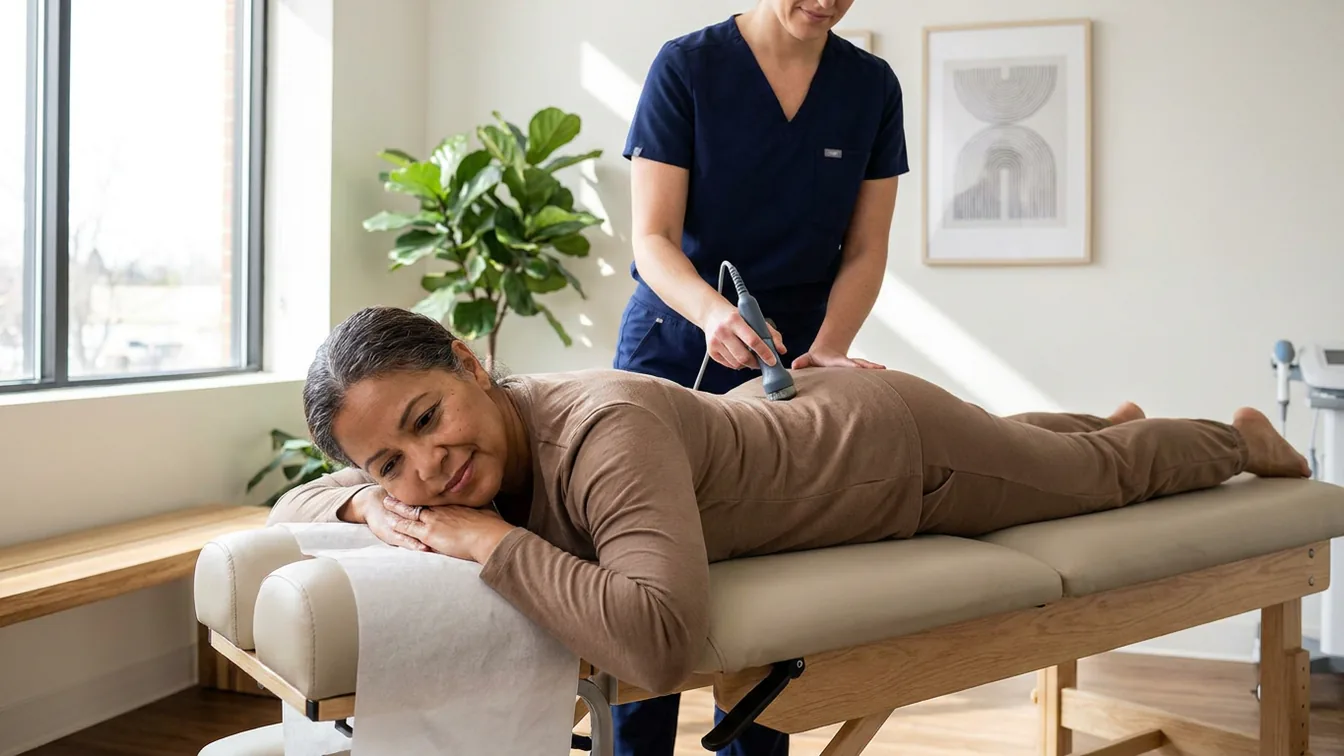
- Soft tissue therapy. Working on tight, guarded muscles can reduce pain and improve mobility.
- Therapeutic exercise. Specific stretches and strengthening movements help stabilize the spine and support better posture.
- Activity and ergonomic guidance. Learning which positions and movements ease symptoms helps you stay active safely.
Research on chiropractic care for stenosis is still developing, and results vary from person to person. Many patients report improved comfort and walking tolerance with conservative care, but no one can promise a particular outcome. A responsible provider will set realistic expectations and refer you to a medical specialist if your case calls for it.
Coordinated care matters
After a car accident, you may be seeing more than one provider, such as your primary care doctor, an urgent care clinic, or an imaging center. Whether you were taken to Washington County Hospital or visited your own physician, it helps to share those records with your chiropractor. Good communication keeps your care consistent and helps your providers spot anything that needs a different approach.
Practical Steps You Can Take and Myths to Avoid
Professional care works best alongside smart habits at home. Here is what we encourage patients to do.
Helpful strategies
- Get checked early. Even if you feel fine, see a provider within a few days of an accident. Early evaluation catches problems before they become entrenched.
- Keep moving, gently. Short, frequent walks are usually better than extended bed rest. If standing or walking triggers symptoms, break activity into shorter segments and rest in a comfortable, slightly forward-leaning position.
- Use heat or ice wisely. Ice may help in the first 48 to 72 hours to calm inflammation. After that, many people find moist heat relaxes tight muscles. Limit each session to about 15 to 20 minutes.
- Support your posture. Use a small cushion behind your lower back when driving or sitting, and keep your screen at eye level to reduce neck strain.
- Sleep smart. Try lying on your side with a pillow between your knees, or on your back with a pillow under your knees, to reduce pressure on your lower spine.
- Document your symptoms. Note when pain begins, what makes it better or worse, and any numbness or weakness. This information helps your care team and may be important for any insurance or legal needs that follow your accident.
- Stay hydrated and eat anti-inflammatory foods. Vegetables, fruits, fatty fish, nuts, and olive oil support overall tissue health.
Common misconceptions
"If my X-ray shows stenosis, the accident didn't cause my pain." Not necessarily. Pre-existing stenosis can be aggravated by trauma. What matters is that you were not experiencing symptoms before and now you are.
"Chiropractors will twist my neck and back no matter what." Good chiropractors adapt their techniques to your condition. With stenosis, gentler methods are often preferred.
"I should rest until the pain is gone." Prolonged inactivity can weaken supporting muscles and stiffen joints, which often slows recovery.
"Stenosis always means surgery." Many people manage symptoms successfully with conservative care. Surgery is generally reserved for severe or worsening cases, especially those involving significant weakness or loss of function.
Red flags that need urgent medical attention
Seek emergency care right away if you experience loss of bladder or bowel control, numbness in the groin or inner thighs, sudden or progressive leg weakness, or severe pain after a major trauma. These can signal serious nerve compression that should not wait.
When to Seek Care Here in Canonsburg
Whether you live in Finleyville, South Fayette, or right in town, the days after a crash can feel overwhelming. Between vehicle repairs, insurance calls, and missed work, your own recovery can slip to the bottom of the list. Putting it there is a mistake. Untreated injuries, especially to a spine that already has stenosis, can turn into long-term problems.
Fayette County families and Canonsburg neighbors often tell us they hoped their pain would "just go away." Sometimes it does, but when symptoms linger beyond a week or two, or when numbness, tingling, or leg pain shows up, it is time to get answers.
A conservative, natural approach begins with understanding your spine. From there, your care plan can focus on reducing pain, restoring motion, and helping you get back to the activities you love, whether that's walking the dog, working in the garden, or playing with your grandchildren.
If you've been in an auto accident, or you have spinal stenosis that has flared up since a crash, we'd be glad to help you find a safe path forward. Our Canonsburg clinic offers gentle, individualized care built around your needs and comfort.
To schedule an evaluation, visit Burgman Chiropractic Clinic P.C. at 4050 Washington Road, Suite 5C, Canonsburg, PA 15317. Taking that first step now can make a real difference in how you feel and how well you recover across Pennsylvania's changing seasons and your busy everyday life.